Greeting Card Mockup for Graphics and Invitations Amp
As a designer who regularly works on branding, marketing visuals, and printable products, I always look for reliable design assets that can elevate a project without requiring hours of manual work. The Greeting Card Mockup is one such asset that offers a quick and effective way to present creative designs to clients. Whether you're working on a handmade brand, an Etsy product, or a seasonal campaign, this mockup has the potential to streamline your workflow and enhance the final presentation.
First Impressions: Aesthetic and Mood
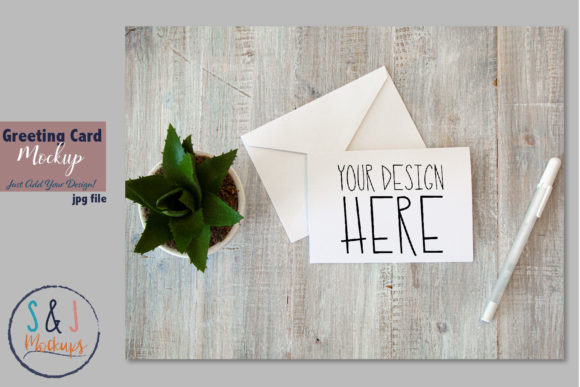
The Greeting Card Mockup immediately conveys a warm, personal, and artistic vibe. Its visual elements suggest a handcrafted or artisanal feel, making it ideal for small business branding, boutique product lines, or local event promotions. The design is clean but expressive, with subtle textures and realistic paper finishes that add depth and authenticity. This kind of mood is perfect for projects that aim to connect emotionally with the audience, whether through a holiday greeting, a birthday card, or a thank-you note.
Real-World Design Applications
In real design situations, the Greeting Card Mockup proves to be versatile. It works well in logo design, where it can serve as a backdrop to showcase a brand’s visual identity. For brand identity projects, it helps create a cohesive look across different mediums, from packaging design to social media graphics. When used in product labels, packaging design, or posters, it adds a touch of professionalism and polish without overwhelming the message.
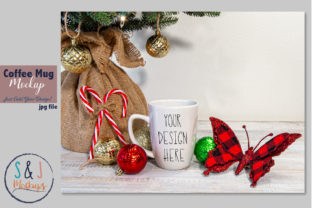
It also integrates smoothly into digital ads, Pinterest pins, and Instagram posts, where visual appeal is key. As a Canva template or Cricut project element, it provides a ready-to-use format that simplifies the creative process. For sticker design, t-shirt design, or mug printing, the mockup offers a realistic preview that helps clients visualize the final product before production.
Best Use Cases for Greeting Card Mockup
The Greeting Card Mockup excels in large layout areas, hero graphics, and product mockups where its detailed textures and realistic effects can shine. It’s particularly useful for themed collections, campaign visuals, and packaging details that require a high level of visual storytelling. As a printable design or a commercial design asset, it supports editorial design, web design, and print-on-demand projects by offering a professional-looking representation of a design concept.
For social media posts and blog visuals, the mockup adds a layer of creativity that can help stand out in a crowded digital space. It also serves as a supporting brand element in campaigns that rely on consistent visual language across multiple platforms.
Caution Areas for Greeting Card Mockup
While the Greeting Card Mockup is powerful in many contexts, it may not be the best choice for every project. In small sizes or crowded layouts, its intricate details can become distracting rather than enhancing the overall composition. Similarly, in low-contrast designs or minimalist branding, the mockup might clash with the intended simplicity.
For professional corporate materials or projects that demand a very clean visual hierarchy, the Greeting Card Mockup could introduce unnecessary complexity. It’s important to consider how the asset aligns with the brand’s tone and messaging before incorporating it into a design.
Impact on Readability and Brand Consistency
One of the key considerations when using any graphic design asset is how it affects readability and brand consistency. The Greeting Card Mockup maintains a balanced visual hierarchy, allowing text and key design elements to remain clear and legible. However, it’s crucial to test it in black and white, check contrast on light and dark backgrounds, and preview it at various sizes to ensure it doesn’t compromise the message.
When used correctly, the mockup reinforces visual trust and recognition, helping to build a stronger emotional connection with the audience. It supports audience engagement by adding a sense of authenticity and craftsmanship to a design project, which is especially valuable for handmade businesses or small business branding.
Practical Designer Notes
Before using the Greeting Card Mockup for a client project, there are several practical checks to perform. Test it in different font styles—serif, sans serif, script, handwritten, and display—to see how it interacts with typography. Confirm file formats, check PNG transparency if included, and inspect SVG or vector editability to ensure flexibility in future edits.
Review the commercial license to make sure it covers the intended use, especially if it’s part of a design bundle or a digital product sold on platforms like Etsy. For print-on-demand or sublimation design, ensure the mockup meets quality standards for print and digital output.
Conclusion: A Useful Creative Asset
The Greeting Card Mockup is a valuable addition to any designer’s toolkit, especially for those working on printable designs, social media graphics, or small business branding. Its ability to enhance the visual mood and provide a realistic preview makes it a strong choice for client projects that require a polished and professional look.
Whether you’re creating a Canva template, a Cricut project, or a digital ad, the Greeting Card Mockup offers a practical solution that saves time while maintaining creative integrity. By understanding its strengths and limitations, designers can confidently integrate it into their workflow and deliver compelling visual concepts to their clients.