Canvas Bag Mockup for Graphics and Tote Bags
As a designer with years of experience in branding, packaging, and digital design, I always look for high-quality design assets that can elevate a client’s visual story. The Canvas Bag Mockup is one such asset that offers a versatile and professional way to showcase designs without the need for time-consuming photography. Whether you're working on a handmade brand, a seasonal campaign, or an online product launch, this mockup can be a game-changer.
The First Impression: A Natural, Handmade Vibe
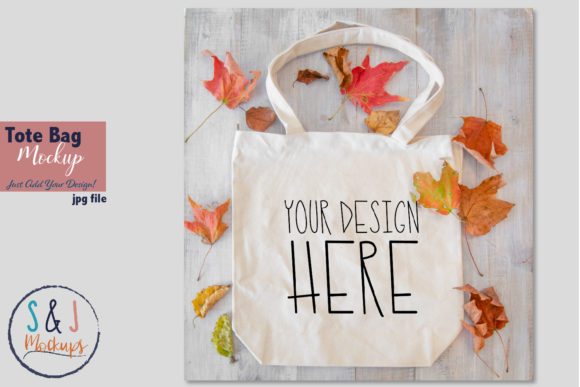
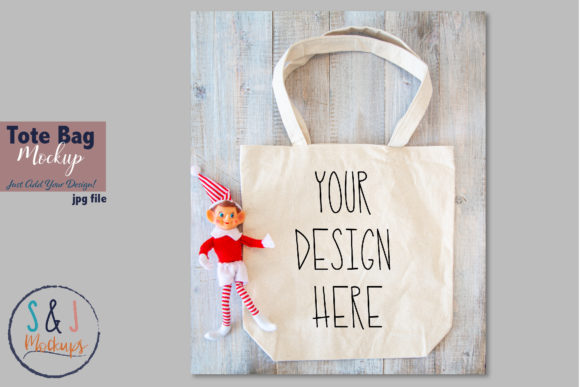
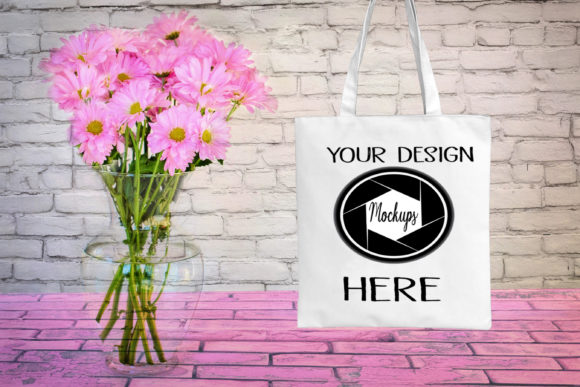
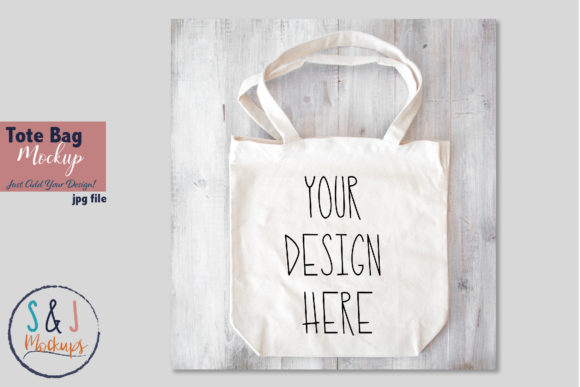
From the moment I opened the Canvas Bag Mockup, it immediately conveyed a warm, organic feel. The texture of the canvas, the subtle imperfections, and the realistic folds all contribute to a design that feels authentic. This is not a generic stock image—it’s a creative design that invites you to imagine how your artwork or logo would look on a real-world product. It’s ideal for small business branding, Etsy products, or print-on-demand projects where authenticity matters.
This graphic design asset has a casual yet polished aesthetic that fits well with modern design trends. It’s perfect for brands that want to communicate a sense of craftsmanship, sustainability, or artisanal quality. The visual mood is relaxed but professional, making it suitable for both casual and more refined client projects.
Real-World Applications: From Logo Design to Social Media Graphics
One of the most valuable aspects of the Canvas Bag Mockup is its adaptability. It works seamlessly in a variety of design scenarios, from logo design to social media graphics. For example, if a client wants to promote their new line of handmade soaps, this mockup could be used to create a visually appealing product concept that highlights the brand’s identity and values.
In packaging design, the Canvas Bag Mockup can serve as a base for creating custom labels, tags, or inserts. It also pairs well with sticker design, t-shirt design, and Canva templates. For a Cricut project, this asset could be used to visualize how a custom illustration would look on a tote bag, helping clients make informed decisions before printing.
When used in editorial design or web design, the mockup adds a tactile element that can enhance user engagement. It’s especially useful for blog visuals, Pinterest pins, or Instagram posts where a strong, relatable image is key. The design asset also supports commercial design and printable design needs, making it a valuable addition to any design bundle.
Where It Shines: Large Layouts and Themed Campaigns
The Canvas Bag Mockup excels in large layout areas, hero graphics, and themed collections. Its size and detail allow it to stand out as a focal point in a design, whether it’s part of a website banner, a poster, or a marketing campaign. For a seasonal event or a local boutique product line, this mockup can help create a cohesive visual language that aligns with the brand’s message.
It’s also great for decorative accents and supporting brand elements. When paired with other design assets like clipart, illustrations, or sublimation design files, it can add depth and context to a project. In a design workflow, it can be used alongside SVG design, PNG design, or other digital products to create a complete visual package.
Where to Use It Carefully: Minimalist Branding and Corporate Projects
While the Canvas Bag Mockup is highly versatile, it may not be the best choice for minimalist branding or professional corporate materials. Its textured appearance and organic feel might clash with clean, modern design aesthetics that prioritize simplicity and clarity. In such cases, a more streamlined mockup or a flat design approach might be more appropriate.
Additionally, it should be used carefully in crowded layouts or low-contrast designs. The background details can sometimes distract from the main content, especially if the design is already complex. It’s important to test it in black and white, check contrast on light and dark backgrounds, and preview it at different sizes to ensure it maintains its visual impact.
Design Considerations: Readability, Hierarchy, and Brand Consistency
When integrating the Canvas Bag Mockup into a project, readability and visual hierarchy are critical. The mockup’s texture and shadows can affect how text or graphics are perceived, so it’s essential to test it in various contexts. For instance, if a client’s logo is placed on the bag, the contrast between the logo and the canvas must be sufficient to maintain brand consistency and visual trust.
This asset also plays a role in emotional appeal and audience engagement. A well-designed mockup can evoke a sense of familiarity and warmth, which is crucial for handmade businesses or small business branding. It helps create a connection between the product and the consumer, enhancing the overall impression of the design project.
Practical Designer Notes: What to Check Before Using
Before using the Canvas Bag Mockup for a client project, there are several practical steps to take. First, test it in black and white to see how it performs without color. Then, check contrast on different backgrounds to ensure it remains visible and legible. Preview it at small and large sizes to confirm that it scales well without losing quality.
If the mockup includes PNG transparency or SVG vector files, inspect them to ensure they’re editable and compatible with your design software. Compare it with different font styles—serif, sans serif, script, or display fonts—to see how it complements the typography. Lastly, always confirm the commercial license to avoid any legal issues when using it for a client or business project.
Conclusion: A Valuable Asset for Creative Work
The Canvas Bag Mockup is more than just a visual tool—it’s a creative design asset that can support a wide range of projects. Whether you're working on a handmade business, a print-on-demand product, or a digital ad, this mockup offers a practical and professional way to present your work. Its natural texture, adaptable style, and real-world application make it a valuable addition to any designer’s toolkit.